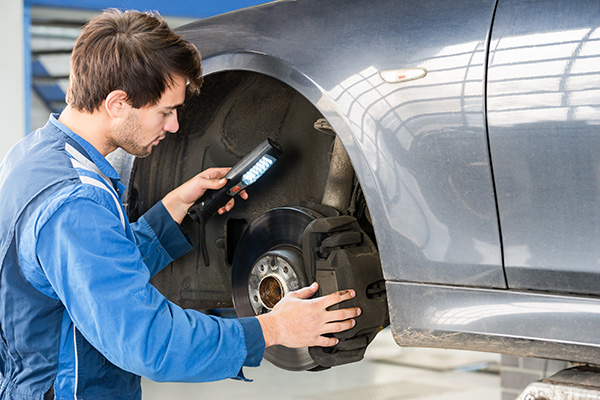
Brakes wear gradually, which is exactly why regular inspections are useful. A vehicle can still stop normally even when the pads are getting thin, a caliper is beginning to stick, or a rotor is developing uneven wear. Waiting until you hear grinding or feel a serious change in braking often means the problem has already become more expensive.
For most drivers, having the brakes checked at least once or twice a year is a sensible approach. The exact timing depends on mileage, driving conditions, vehicle weight, and how quickly the brakes have worn in the past. A professional inspection is especially useful during tire rotations, seasonal service, or before a long trip.
Mileage Is Only Part of the Picture
Brake pads do not wear out at one universal mileage. A driver who spends most of the week on open highways may get far more life from a set of pads than someone commuting through stop-and-go traffic every day.
Hills, towing, frequent short trips, heavier vehicles, and aggressive braking all increase wear. Electric and hybrid vehicles can be different because regenerative braking may reduce how often the friction brakes are used. However, the brake hardware still needs to be checked for corrosion and free movement.
Why Twice a Year Can Be a Good Routine
For many vehicles, checking the brakes about every six months works well because it lines up naturally with tire rotations or seasonal maintenance. That gives technicians a chance to compare current pad thickness with previous measurements and see whether anything is wearing unevenly.
A yearly inspection may be enough for a lightly driven vehicle with a good service history. Higher-mileage vehicles or cars used in demanding conditions can benefit from more frequent checks. The goal is not to replace parts early. It is to know how much life is left before the brakes become a last-minute repair.
What a Professional Brake Inspection Includes
A brake inspection should look at more than the visible outer pad. The inner pad can wear much faster if a caliper or slide pin is not moving correctly, so both sides need attention where access allows.
Technicians may check:
- Brake pad thickness on both sides of the rotor
- Rotor condition, thickness, and visible heat damage
- Caliper movement and slide pin condition
- Brake hoses and lines for leakage or damage
- Brake fluid level and visible contamination
- Parking brake operation and hardware condition
If the vehicle has rear drum brakes, the drums may need to be removed periodically to see the shoes, wheel cylinders, springs, and adjusters properly.
Uneven Pad Wear Is an Important Warning
If one brake pad is much thinner than the pad beside it, that usually tells you more than the overall thickness alone. A sticking caliper piston, dry slide pin, restricted brake hose, or pad binding in the bracket can keep one side in contact with the rotor.
That kind of problem can create heat and wear the brake much faster than normal. Replacing the pads without correcting the cause often leads to the same pattern again. An inspection gives technicians a chance to catch the uneven wear before the rotor or caliper is damaged further.
Do Not Wait for the Wear Indicator
Some vehicles have electronic brake pad wear sensors, while others use a small metal tab that begins squealing when the pad gets thin. Those systems are helpful, but they are not a substitute for regular checks.
A sensor may monitor only one pad or one wheel. If another pad wears faster because of a mechanical problem, it may become dangerously thin before the warning appears. An inspection shows the actual condition of the entire braking system rather than relying on a single indicator.
Noise Means the Brakes Should Be Checked Sooner
A new squeal, scrape, grind, or clicking sound during braking is a good reason to schedule an inspection instead of waiting for the next maintenance visit. Some brake noises are minor, but grinding can mean the friction material is already gone and metal is contacting the rotor.
Other symptoms worth paying attention to include:
- The vehicle pulls during braking
- The brake pedal feels soft or unusually low
- The steering wheel shakes during stops
- A burning smell comes from one wheel
- The brake warning light comes on
- Stopping distance feels longer than before
These symptoms can come from several different faults, so the brakes should be tested rather than repaired based only on the sound or feel.
Rotor Condition Matters Too
Brake rotors are designed to work within a specific thickness range. As they wear, they become thinner and less able to absorb and manage heat. A rotor can also develop scoring, rust, hot spots, or thickness variation.
A rotor that looks acceptable through the wheel may still be below its minimum thickness. Professional measurements help determine whether it can remain in service, be machined where appropriate, or needs replacement. The decision should be based on measurements and condition rather than appearance alone.
Brake Fluid Deserves Attention
Brake fluid transfers pedal force through the hydraulic system. Over time, it absorbs moisture, which lowers its boiling point and can increase internal corrosion. Some manufacturers specify a time-based brake fluid replacement interval even when the brakes themselves are not worn out.
A brake inspection can reveal fluid leaks, a low reservoir, damaged hoses, and other hydraulic concerns. If the fluid level has dropped unexpectedly, it should not simply be topped off without finding out why.
Have the Brakes Checked Before a Long Trip
If you are planning a road trip, towing, or mountain driving, a brake check before departure can prevent an unpleasant surprise far from home. Brakes that are adequate for short local trips may be close to their limit under repeated high-speed or downhill stops.
It is best to schedule that inspection with enough time to complete any needed repairs before traveling. That gives you time to address worn pads, damaged rotors, sticking calipers, or fluid concerns without rushing the decision.
Get Professional Brake Inspections in Clifton Park, NY, With Gil's Garage Inc
Gil's Garage Inc in Clifton Park, NY, can inspect brake pads, rotors, calipers, hoses, fluid condition, and parking brake operation.
If it has been several months since your last brake inspection, or you have noticed noise, vibration, pulling, or a change in pedal feel, contact us to schedule service.