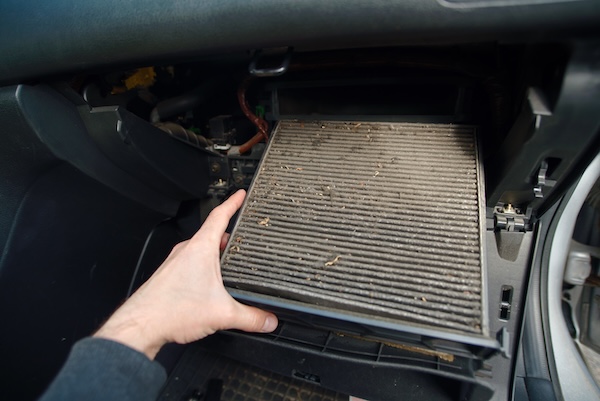
The cabin air filter is one of the most overlooked components in a vehicle, yet it plays an important role in your comfort and health while driving. This filter cleans the air that enters your vehicle’s interior through the heating, ventilation, and air conditioning (HVAC) system. If your cabin air filter is dirty or clogged, you may notice reduced airflow, unpleasant odors, or increased dust inside your car.
Knowing where to locate the cabin air filter and when to replace it can help keep your vehicle’s interior air clean and your HVAC system operating efficiently.
What Does the Cabin Air Filter Do?
The cabin air filter traps dust, pollen, dirt, smog, and other airborne contaminants before they enter the passenger compartment. This is especially important for drivers or passengers with allergies, asthma, or respiratory sensitivities.
A clean cabin air filter helps maintain strong airflow from your vents, improves defroster performance, and reduces strain on the HVAC system. When the filter becomes clogged, airflow is restricted, forcing the system to work harder and reducing overall efficiency.
Common Locations of the Cabin Air Filter
The location of the cabin air filter varies by vehicle make and model. While it’s usually easy to access, many drivers aren’t aware of where to look.
Most cabin air filters are found in one of these locations:
- Behind the glove box: This is the most common location. The glove box often folds down or can be removed to access the filter housing.
- Under the dashboard: Some vehicles place the filter beneath the dashboard on the passenger side.
- Under the hood: In certain models, the cabin air filter is located near the windshield cowl, just below the wipers.
Your vehicle’s owner’s manual will provide the exact location and access instructions.
How to Tell If Your Cabin Air Filter Needs Replacement
Even if you know where the filter is, it’s important to recognize when it needs to be replaced. Cabin air filters naturally accumulate debris over time and should be replaced regularly.
Common signs of a dirty cabin air filter include reduced airflow from vents, musty or unpleasant odors when the HVAC system is running, excessive dust inside the vehicle, or foggy windows that take longer to clear.
Most manufacturers recommend replacing the cabin air filter every 12,000 to 30,000 miles, but driving conditions such as heavy traffic, pollution, or dusty roads may require more frequent replacement.
Why Replacing the Cabin Air Filter Matters
A neglected cabin air filter can affect more than just air quality. Restricted airflow forces the HVAC system to work harder, which can lead to premature wear on components like the blower motor. In extreme cases, a severely clogged filter can reduce heating and cooling effectiveness altogether.
Replacing the cabin air filter is a simple and cost-effective way to improve comfort, protect HVAC components, and maintain a healthier cabin environment.
DIY or Professional Replacement?
Some drivers choose to replace the cabin air filter themselves, especially if it’s easily accessible. However, some vehicles require partial dashboard removal or specialized tools, making a professional replacement a safer option. A trained technician can quickly locate the filter, install the correct replacement, and check for related HVAC issues during routine service.
Schedule Cabin Air Filter Service in Half Moon, NY
If you’re not sure where your cabin air filter is, or when it was last changed, it may be time for an inspection. Clean air and proper airflow make every drive more comfortable, especially during extreme weather. Contact Gil's Garage Inc of Half Moon today to schedule a cabin air filter inspection or replacement.