Posted on 11/29/2022
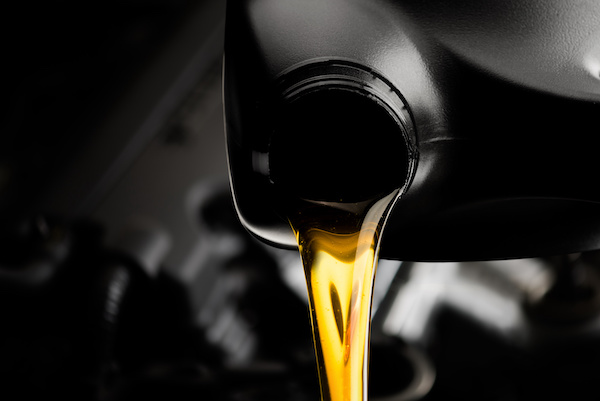
Oil changes are the most important maintenance you can get for your vehicle. While you’ve probably gotten them here and there over time, you should always follow a regular oil change schedule. Often, we notice motorists put off or skip their oil changes altogether. Doing so can wreak havoc on your engine, so make sure you’re always on the lookout for the signs of bad or ineffective oil. Signs That Indicate It Is Time for an Oil Change Dark and Gritty Oil Not only should you be changing your oil on time, but you have the ultimate responsibility to check your oil often. All you have to do is pop open the trunk and use the dipstick. Pull out the stick, wipe it off, reinsert the dipstick, and remove it once more to get an accurate reading. If the oil levels are correct and the oil isn’t dark or has an odd texture, you should be good. If oil levels are low and the oil has turned a different color, be sure to bring your vehicle in for an oil change ASAP. Engine K ... read more
Posted on 10/31/2022
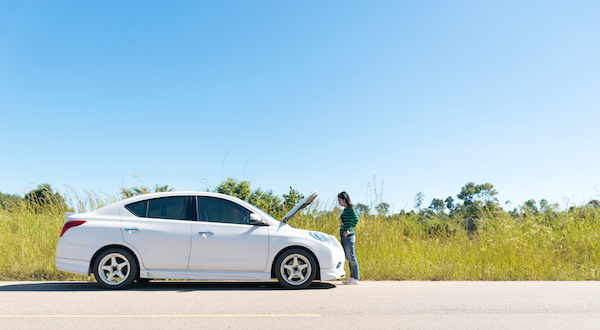
An overheating car is a serious issue that should never be ignored. If your vehicle engine gets too hot, it might warp and crack, leading to serious, expensive, and sometimes irreplaceable damages. Even worse, you might not understand why your car is overheating unless you are an expert. Here are some of the common causes of an overheating vehicle. A Failing Thermostat The thermostat prevents the coolant from getting into the engine until it is well warmed up. This allows your vehicle to reach the operating temperature much faster. The thermostat valve will open, allowing the coolant to flow throughout the engine. If your car's thermostat fails, the valves might not open to let in the coolant, leading to the engine overheating. Contaminated or Low Coolant If your cooling system is low on coolant, it will not be enough to cool the engine. Similarly, if the coolant is contaminated, it will not be efficient in absorbing the heat from the engine, which might lead to the engine ove ... read more
Posted on 9/26/2022
.jpeg)
For older drivers and inexperienced drivers, driving at night is way more daunting. In fact, it is proven that more vehicle accidents happen at night than any other time. However, it shouldn’t steer you away from driving at night altogether. Poor visibility and depth perception is where most people struggle with when it comes to driving at night. However, you can follow these tips below to minimize hazards. Clean Your Windshield We encourage you to wipe down your windshield or clean your car to get rid of dust, bugs, and other contaminants that can take away the visibility of the road ahead. A dirty windscreen can also increase glare and worsen your vision at night. Don’t Be Afraid to Use Your High Beams When driving on rural or empty roads, feel free to make use of your high beams. It will brighten your view and help you see the road better. However, please remember to turn them off if you see oncoming traffic or when driving behind other vehicles. Practice Defe ... read more
Posted on 8/29/2022
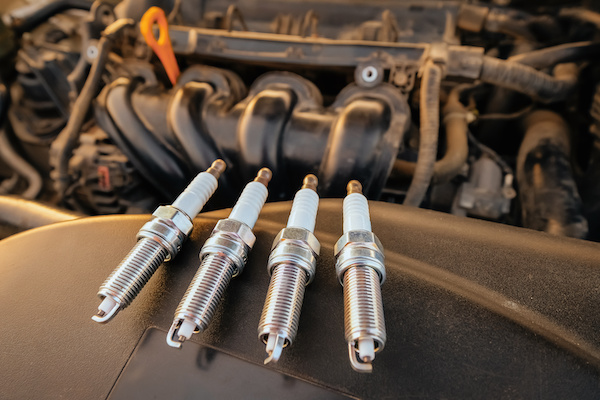
Your car starts with the fuel and air combustion inside the cylinder. Most modern vehicles have multiple cylinders. When one or more fails, it can cause the engine to misfire. A misfire is precisely what it sounds like. For the engine to run, it must burn energy or the fuel and air mixture. A spark, from your spark plugs, must light the mix at the right time. If any part of this ignition process stops working, the engine will misfire. Misfires can occur during startup or at any point when your car is idling. Misfires can happen, and your car can get it going again eventually. Nevertheless, any engine misfires are bad and can translate to an underlying problem. Plus, if you experience multiple misfires, engine damage can spread. What Causes Engine Misfires? Even with newer engines, misfires can still occur. You may notice the check engine illuminate on your dashboard right afterward. Here are some of the most common explanations for misfires: Failing Ignition ... read more
Posted on 7/27/2022
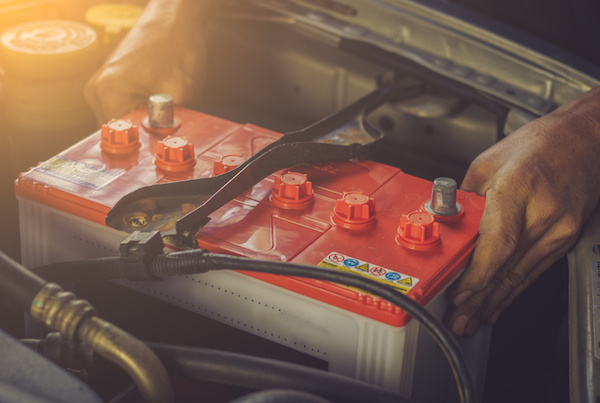
A car battery plays a crucial role in cars by providing electrical current to the vehicle. The critical role is to offer power to start and activate the car's engine. That means that it is significant to keep an eye on the symptoms of a weak car battery. Check on the following five signs of a dying car battery. 1. The engine takes time to start A healthy car battery starts fast once the key is turned on. If the Car battery fades, then it can lead to an impact on how smooth the engine often starts. When it is slow, then the battery might be the problem. 2. Failure of the engine to start When the engine fails to start entirely after ignition, then the little hope remaining is gone. The car battery is likely dead when the engine fails to start completely after ignition. 3. Coated or corroded battery Before ignition, make a habit of self-inspection. Take time to peep through the car battery. If the battery has blue corrosion on t ... read more